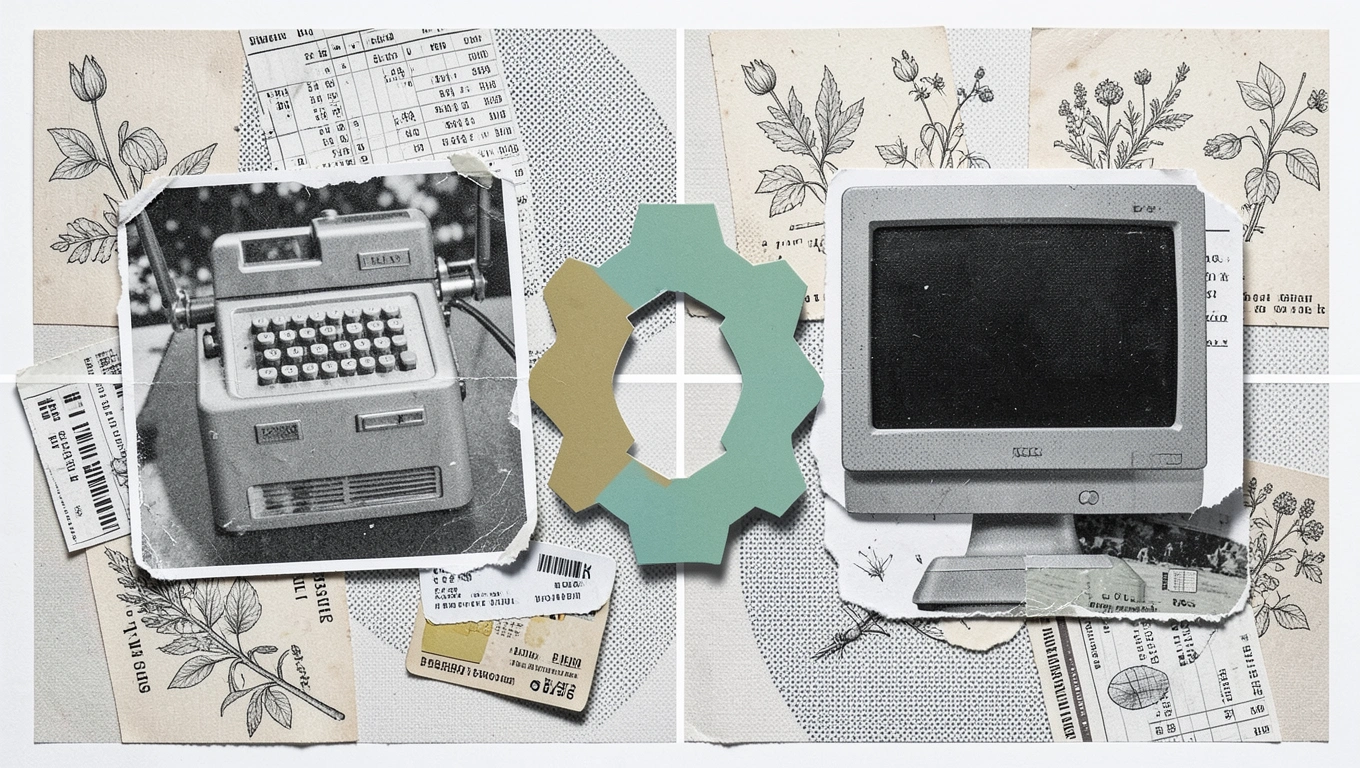
Running a business that sells both in-store and online used to mean juggling separate payment systems – one terminal for the counter, another gateway for your website, and a spreadsheet headache trying to reconcile everything at month’s end. Not anymore. Modern unified payment platforms let you accept card payments across all your sales channels from a single system, giving you one dashboard, one settlement account, and one clear picture of your business. Whether a customer taps their card at your shop counter or checks out on their phone at midnight, the transaction flows through the same processor, appears in the same reporting, and lands in your account the same way.
This approach solves real problems for small and mid-sized businesses. You stop paying for multiple merchant accounts, you eliminate the manual work of matching online orders to in-person sales, and your inventory systems can actually talk to each other. For customers, it means a consistent experience – the same stored payment details work everywhere, returns become simpler, and loyalty programs follow them across channels. The technology has matured to the point where unified payment acceptance is no longer just for enterprise retailers with dedicated IT teams.
How Unified Payment Systems Actually Work
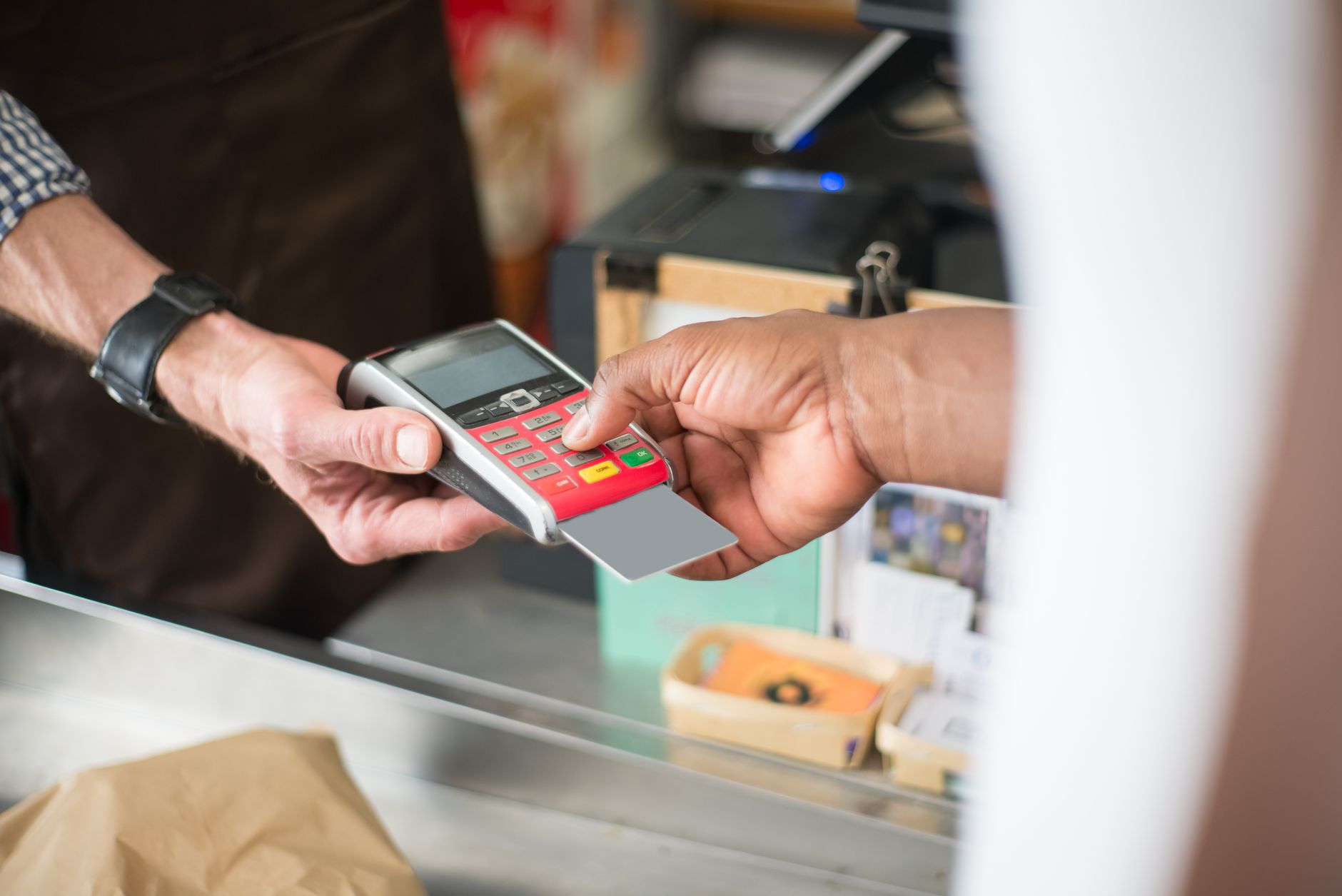
A unified payment platform connects to your physical card terminals and your online checkout through a single merchant account and processing backend. When someone pays in your shop, the transaction data flows to the same processor that handles your website payments. Both channels share the same merchant identification number, the same settlement schedule, and the same reconciliation records.
The technical setup typically involves a cloud-based payment gateway that accepts input from multiple sources. Your physical point-of-sale terminal communicates with the gateway just like your e-commerce shopping cart does. Some providers offer their own terminals and plugins, while others integrate with existing hardware and popular platforms like WooCommerce or Shopify. The important part is that all transactions – regardless of where they happen – get tagged, tracked, and reported in one place.
For your business operations, this means you manage everything from a single merchant portal. You can see which products sell better online versus in-store, track total daily revenue across both channels, process refunds from either source, and run reports without exporting and merging data from separate systems. Integrated payment solutions have become the standard for businesses that need visibility across multiple sales environments.
Real Benefits Beyond Convenience
The practical advantages go deeper than just simplifying your accounting. When your payment systems talk to each other, you can offer services that would be complicated or impossible with separate processors. A customer can buy something on your website and return it at your physical location without you having to manually look up the transaction in a different system. You can launch a buy-online-pickup-in-store program where the payment authorization happens at checkout but the final capture waits until they collect the item.
Inventory management becomes genuinely accurate when both channels share the same backend. You avoid the classic problem of overselling an item online because your website didn’t know you just sold the last one at the counter. Your stock levels update in real time whether someone pays with a card reader or clicks the checkout button on their laptop.
Cost savings matter too. Running two separate merchant accounts usually means two sets of monthly fees, two PCI compliance efforts, and potentially higher per-transaction rates because your volume is split. Consolidating under one processor often qualifies you for better rates since your total volume looks larger. You also spend less time on administrative work – one batch of settlement reports, one set of disputed transactions to manage, one customer service line when something goes wrong.
Next Level: Set up your unified system to automatically tag transactions by channel (in-store, website, mobile app) in your merchant dashboard. This metadata lets you run channel-specific reports and understand customer behavior patterns without maintaining separate processors – you’ll see which products drive online impulse buys versus in-person browsing, helping you adjust inventory placement and marketing spend accordingly.
Choosing a Platform That Fits Your Setup
Not all unified payment systems work the same way, and your choice depends on what you’re already using and where you plan to grow. If you run an established e-commerce site built on a specific platform, you want a payment processor that offers native integration or a well-supported plugin. Adding a physical terminal to an existing online business is usually easier than trying to bolt e-commerce onto a traditional point-of-sale system.
Hardware compatibility matters for brick-and-mortar locations. Some payment providers sell or lease their own terminals that work exclusively with their service. Others let you use third-party hardware or even turn a tablet into a payment terminal. Think about whether you need countertop terminals, mobile card readers for trade shows, or both. The best system for a small boutique with one fixed location looks different from what a food truck operator needs.
Look at the actual features beyond basic payment processing. Can customers save their payment information for faster checkout next time, whether they’re in-store or online? Does the system support digital wallets like Apple Pay and Google Pay across both channels? What happens if your internet connection drops – can in-store transactions queue and process later, or does everything stop?
PayPal’s unified payment acceptance represents one approach where a widely recognized brand handles both online and in-person transactions, while other providers focus more on integrated point-of-sale features with e-commerce as an add-on. Understanding your primary channel and growth direction helps you pick the right foundation.
Implementation Without Disruption
Switching to a unified payment system doesn’t have to mean shutting down sales for a week. Most businesses run both systems in parallel during a transition period – keeping their old setup active while testing the new platform with smaller transactions or a single register. Once you verify that everything processes correctly, you can migrate completely.
The technical integration usually takes less time than the administrative setup. Getting approved for a new merchant account, transferring your business information, and setting up settlement to your bank account involves paperwork and verification steps that might take several days. The actual software configuration – connecting your point-of-sale system, installing payment plugins on your website, and syncing your product catalog – often happens in an afternoon with the right preparation.
Plan for training your staff on any new terminals or processes. Even if the customer-facing experience stays similar, your team needs to know how to handle refunds, void transactions, and troubleshoot basic issues using the new system’s interface. Most modern platforms design their workflows to be intuitive, but you want everyone comfortable before you go live completely.
Data migration deserves attention if you’re moving from an established system. Think about whether you need historical transaction records in the new platform, how you’ll handle subscriptions or recurring payments that are currently set up in your old system, and what happens to customer payment information they’ve already saved. Some of this transfers automatically, some requires customer action, and some you might just leave in the old system for reference.
Q&A
Do I need different merchant accounts for online and in-store sales?
No, unified payment platforms use a single merchant account that accepts transactions from multiple channels. You get one merchant identification number that works for card-present terminal payments and card-not-present online payments. This single-account structure simplifies reconciliation and often reduces fees compared to maintaining separate accounts for each sales channel.
What happens if my internet goes down in the store?
Modern terminals handle offline situations differently depending on the provider. Some terminals store transactions locally and batch-process them once connectivity returns. Others require an active connection to authorize payments and won’t accept cards during an outage, though some allow you to manually key in card numbers for offline processing with higher risk. Check your provider’s specific offline capabilities before you depend on them during peak sales periods.
Can customers use the same saved payment method in-store and online?
It depends on how your system handles customer accounts. If you run a customer loyalty or account system that connects to your payment platform, customers can often save payment details that work across channels. They might enter their account information at checkout – in-store or online – and access their saved cards either place. Without that account layer, payment information saved on your website typically won’t appear at a physical terminal, and vice versa.
How much does unified payment processing typically cost?
Pricing structures vary widely by provider and your business type. You’ll generally see per-transaction fees (often a percentage plus a fixed amount per swipe or click), monthly platform fees for access to the unified dashboard and tools, and sometimes hardware costs if you need new terminals. Transaction rates for card-present payments usually run lower than card-not-present online payments because of reduced fraud risk. Request detailed quotes from multiple providers and calculate based on your actual monthly volume across both channels to compare real costs.
For Conclusion
Unified payment processing represents a practical evolution for businesses operating in multiple channels. The technology eliminates artificial separation between how you accept payments at a counter and how you accept them through a website, replacing fragmented systems with shared infrastructure. You gain operational efficiency, better data, and flexibility to serve customers however they want to shop.
The transition requires some planning, but the long-term simplification usually justifies the effort. You stop working around the limitations of disconnected systems and start building on a foundation that supports consistent customer experiences. Whether you’re adding online sales to an established retail location or opening a physical shop to complement your e-commerce business, starting with unified payments from day one saves you from the messy integration work later.
As business continues to blur the lines between digital and physical commerce, your payment infrastructure should reflect that reality. Customers don’t think about channels – they just want to buy from you in whatever way feels convenient at the moment. A unified payment system lets you meet them there without doubling your backend complexity.