The search landscape is changing fast. While we’ve spent years optimizing for Google rankings and social media reach, a new player has entered the game: AI assistants. ChatGPT, Claude, Gemini, Perplexity, and similar tools are now answering millions of questions daily, pulling information from across the web and citing their sources. For website owners, this creates a fresh opportunity. Getting your site quoted by an AI assistant means your brand appears directly in the answer when someone asks a question in your niche. It’s not about gaming the system or chasing a trend. It’s about making sure your expertise gets found in the places where people are increasingly looking for answers.
The Shift From Search Results to Direct Answers
Traditional search engine optimization focused on ranking high in a list of blue links. You wanted position one, two, or three on Google’s results page. Users would scan the headlines, click through, and hopefully find what they needed on your site. That model still works, but it’s no longer the only path to visibility.
AI assistants work differently. When someone asks a question, the AI processes the query, searches across indexed content, synthesizes an answer, and often cites the sources it used. Your website doesn’t need to rank number one in a traditional sense. It needs to be the source the AI trusts and quotes when generating its response. This means your brand name and your content appear right inside the answer itself, not buried in a list of ten competing links.
For businesses, this is a fundamental shift. When someone researches a product, compares solutions, or tries to solve a problem using an AI assistant, being quoted puts you directly in the conversation. The user sees your site referenced as they read the answer. If they want to learn more or verify the information, they can click through. But even if they don’t, your brand has been introduced as a credible source. That kind of exposure builds recognition and trust over time.
How AI Assistants Decide What to Quote
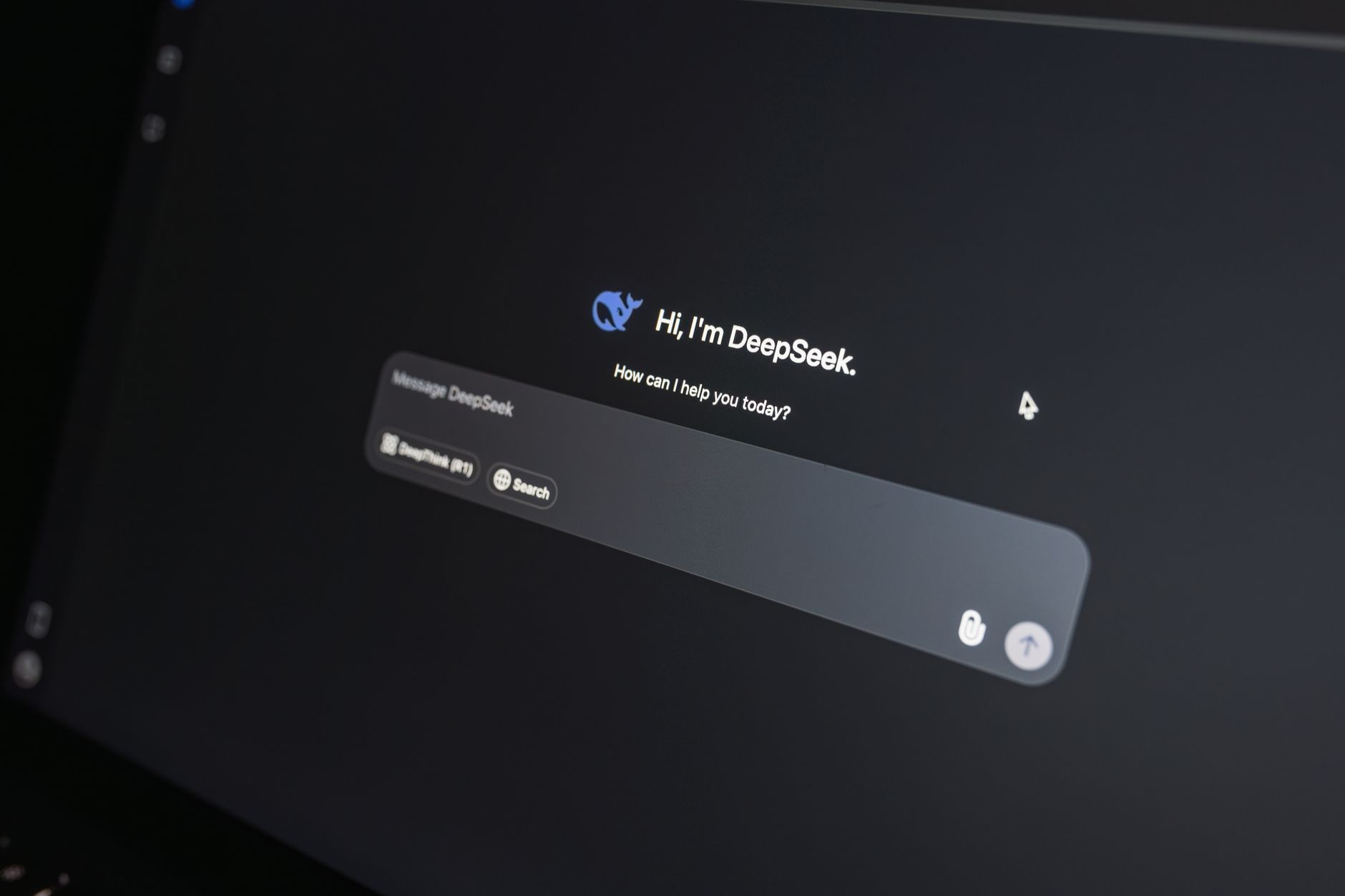
AI tools don’t manually review websites and choose favorites. They rely on automated crawlers, much like Google’s search bot, to discover and index content. Each major AI platform uses its own crawler. OpenAI’s ChatGPT search uses OAI-SearchBot. Perplexity uses PerplexityBot. Claude relies on Claude-SearchBot. Google’s AI Overviews and Gemini pull from Google’s existing search index, though blocking Google-Extended affects whether content trains Gemini models, not whether it appears in AI Overviews.
For your site to be quoted, it must first be discoverable. That means your pages need to be publicly accessible, not blocked by robots.txt rules or login walls. The content should be written in clean, readable HTML so the AI can parse it easily. Most importantly, your site needs to provide clear, accurate, and well-structured information. AI assistants prioritize sources that directly answer the question at hand. Vague blog posts or keyword-stuffed pages are less likely to get cited than content that states facts clearly and backs them up.
Trust also plays a role. While the exact ranking formulas aren’t public, AI systems appear to weigh factors like site reputation, content freshness, and consistency with other credible sources. If your site has a history of publishing reliable information and other trusted sources link to you, the AI is more likely to quote you. This isn’t so different from traditional SEO, but the stakes are higher because there’s often only one answer, not ten results to choose from.
Next Level: Make your key facts easy to extract by placing them in short, declarative sentences near the top of your content. AI assistants often pull quotes from the first few paragraphs, so front-load your most important information instead of burying it halfway down the page.
What Being Quoted Actually Does for Your Business
Visibility is the most obvious benefit. When an AI quotes your website, your brand appears in front of users who might never have found you through traditional search. This is especially valuable for smaller businesses or niche sites competing against larger, more established players. A well-written article on a focused topic can get cited even if your domain authority is modest, because AI assistants care more about the quality of the specific answer than the overall size of your site.
Trust follows visibility. Users tend to view AI-cited sources as more authoritative. If ChatGPT or Gemini references your site when explaining a concept, readers assume you’re a credible expert on that topic. This perception can carry over even if they don’t click through immediately. The next time they encounter your brand, they may already have a positive impression because they saw you cited by a tool they trust.
The traffic you do get from AI citations tends to be more qualified. Someone who clicks on a citation link is usually looking for deeper information or wants to verify the claim. They’re already interested in the topic and have seen your site mentioned in a relevant context. This means higher engagement rates, longer time on page, and better chances of conversion compared to random organic traffic.
There’s also a future-proofing element. As AI-assisted search continues to grow, websites that establish themselves as quotable sources early will have a long-term advantage. You’re building a reputation with the systems that may soon mediate a significant portion of web discovery. That investment pays off over time as more users adopt AI tools for research and decision-making.
The Limits and Realities of AI Citations
Being quoted by an AI assistant doesn’t guarantee success. It’s one signal among many, and it doesn’t automatically translate to being recommended. An AI might cite your site for a factual claim while still pointing users toward a competitor based on reviews, pricing, or other factors. You’re gaining visibility, not a blanket endorsement.
The formulas AI companies use to select sources are not fully transparent. You can follow best practices, optimize your content, and ensure your site is crawlable, but there’s no guaranteed path to citation. Some topics are easier to get quoted on than others. Factual, informational content tends to get cited more readily than opinion pieces or promotional material. If your site focuses heavily on sales copy, you may find it harder to appear in AI-generated answers.
There’s also the question of attribution accuracy. AI assistants sometimes paraphrase content in ways that lose nuance or combine information from multiple sources without making the distinctions clear. If your site gets quoted, you don’t have full control over how the information is presented. This means the quality and clarity of your original writing matter even more, because the AI will be extracting and reshaping it.
Finally, the landscape is still evolving. The tools and crawlers in use today may change as AI companies refine their approaches. What works now to get cited might shift over the next year or two. Staying informed and adapting your content strategy as the space matures will be necessary to maintain your presence in AI-generated answers.
Q&A
Do I need to do anything special to let AI assistants crawl my site?
Most AI crawlers work like traditional search bots. Make sure your robots.txt file doesn’t block them. OpenAI uses OAI-SearchBot for ChatGPT search, Perplexity uses PerplexityBot, and Claude uses Claude-SearchBot. If you want to be quoted, don’t block these crawlers. Google’s AI Overviews pull from the standard Google index, so normal Google crawling is sufficient. Blocking Google-Extended only affects whether your content trains Gemini models, not whether it appears in AI Overviews.
Can I track when my site gets quoted by an AI?
There’s no universal dashboard that shows all AI citations. You can sometimes spot referral traffic from AI tools in your analytics, but not all citations generate clicks. Monitoring brand mentions and setting up alerts for your site name or key content can help you catch instances where you’ve been quoted. Some SEO platforms are beginning to add AI citation tracking, but this feature is still emerging.
Is it better to optimize for AI citations or traditional SEO?
You don’t have to choose. The fundamentals overlap significantly. Clear writing, accurate information, good site structure, and fast loading times benefit both traditional search rankings and AI citation potential. Focus on creating genuinely helpful content that directly answers common questions in your niche. That approach serves both audiences and prepares your site for however search continues to evolve.
Will AI citations replace the need for social media and other marketing?
No. AI citations are one channel among many. They help with discovery and credibility, but they don’t replace the relationship-building, community engagement, and direct promotion that happen through social media, email, and other platforms. Think of AI citations as a complement to your existing marketing efforts, not a substitute. A well-rounded strategy uses multiple channels to reach and retain your audience.
For Conclusion
The web is always changing, and the rise of AI assistants is the latest shift in how people find and consume information. Websites that adapt by making their content clear, accurate, and easy for AI systems to index will gain a new form of visibility that traditional search alone can’t provide. This isn’t about chasing a gimmick or trying to trick algorithms. It’s about being a genuinely useful source in a landscape where answers are increasingly delivered directly instead of through a list of links.
The opportunity is real, but it’s not magic. You still need to publish quality content, maintain a trustworthy site, and understand your audience’s questions. What’s different now is that doing those things well can also earn you a spot in the answers generated by the tools millions of people are starting to rely on every day. Whether you’re running a business, sharing expertise, or building a brand, being quotable by AI assistants gives you one more way to be found, trusted, and remembered.