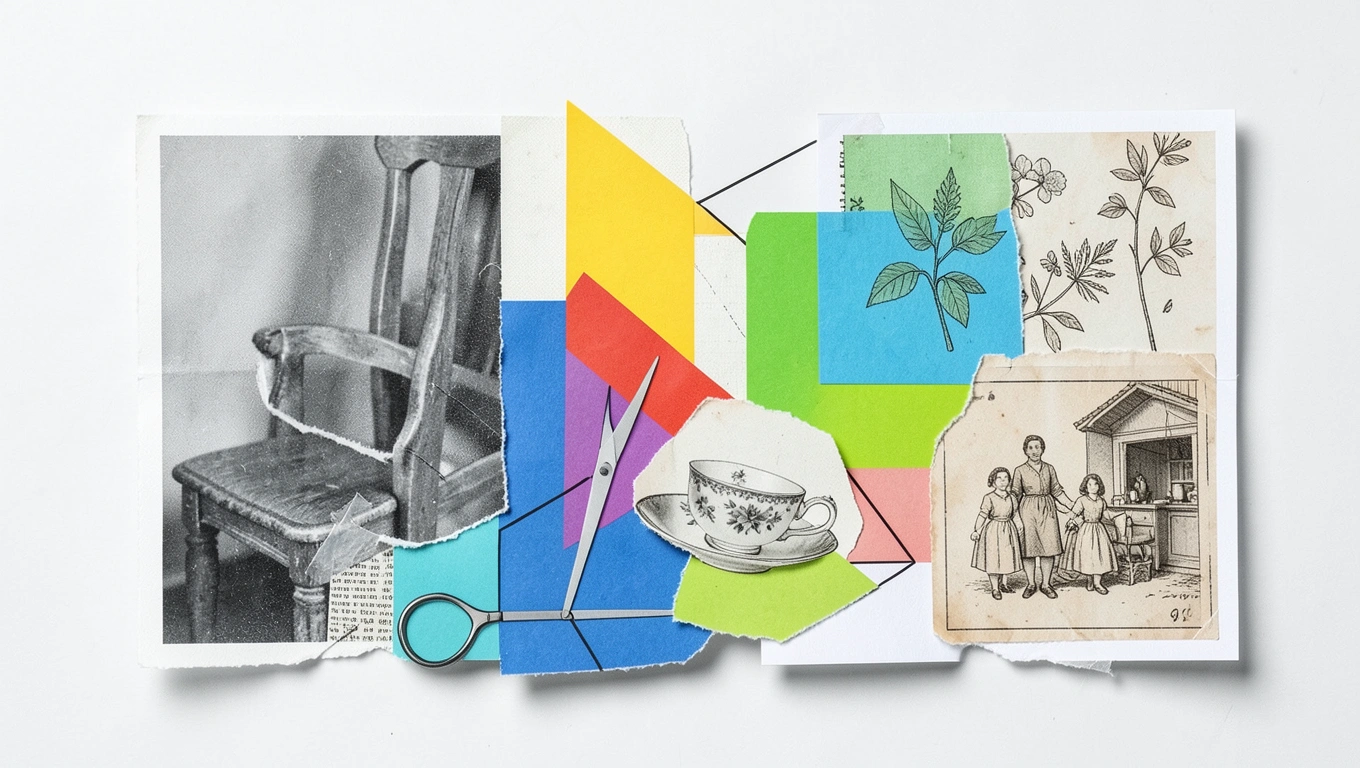
That ornate china cabinet your grandmother treasured, the heavy oak dining table from your parents’ first home, the delicate porcelain figurines passed down through generations – these pieces carry stories and memories that no store-bought item can replicate. Yet when you’re living in a sleek, modern space with clean lines and minimalist aesthetics, finding the right place for these treasures can feel like trying to fit a square peg in a round hole. The good news is that family heirlooms and contemporary design don’t have to clash. With thoughtful placement and a few creative approaches, you can honor your family’s history while maintaining the fresh, current look you love.
Understanding the Balance Between Old and New
The key to successfully incorporating heirlooms into modern spaces lies in creating intentional contrast rather than trying to make everything match. Your great-aunt’s Victorian side table doesn’t need to blend seamlessly with your minimalist sofa – in fact, the juxtaposition can be what makes both pieces shine. Antique pieces can sit comfortably beside casual decor, thrifted finds, fresh flowers, or simple household items without any awkwardness.
Think of your space as a conversation between different eras. A grandmother’s dresser can sit alongside a modern sofa when the surrounding design highlights its unique textures, finishes, and proportions. The trick is to let each piece have breathing room. Don’t crowd your heirloom furniture with too many other vintage items in one area. Instead, let it stand out as a focal point against simpler, more contemporary surroundings. This approach not only makes the heirloom more visually striking but also gives it the attention it deserves as a piece with meaning and history.
Updating Without Losing the Story
Sometimes an heirloom needs a little help to feel at home in your space, and that’s perfectly fine. Updating doesn’t mean erasing history – it means adapting pieces so they can continue to be used and loved rather than sitting unused in storage. Reupholstering chairs and sofas with modern fabrics is one of the most effective ways to bridge the gap between old and new. A Victorian armchair with its original heavy brocade might feel too stuffy for your airy living room, but that same chair covered in a crisp linen or even a bold geometric print suddenly becomes a conversation piece that works.
The beauty of reupholstery is that you’re preserving the bones and craftsmanship of the piece while giving it a fresh face. Choose fabrics that complement your home’s existing color scheme, and don’t be afraid to go bold. Sometimes a vintage chair in a surprisingly modern fabric creates exactly the kind of visual interest that makes a room memorable. You can also consider refinishing wood pieces, but approach this carefully. Some antique finishes add character and value, so research the piece or consult a professional before making irreversible changes.
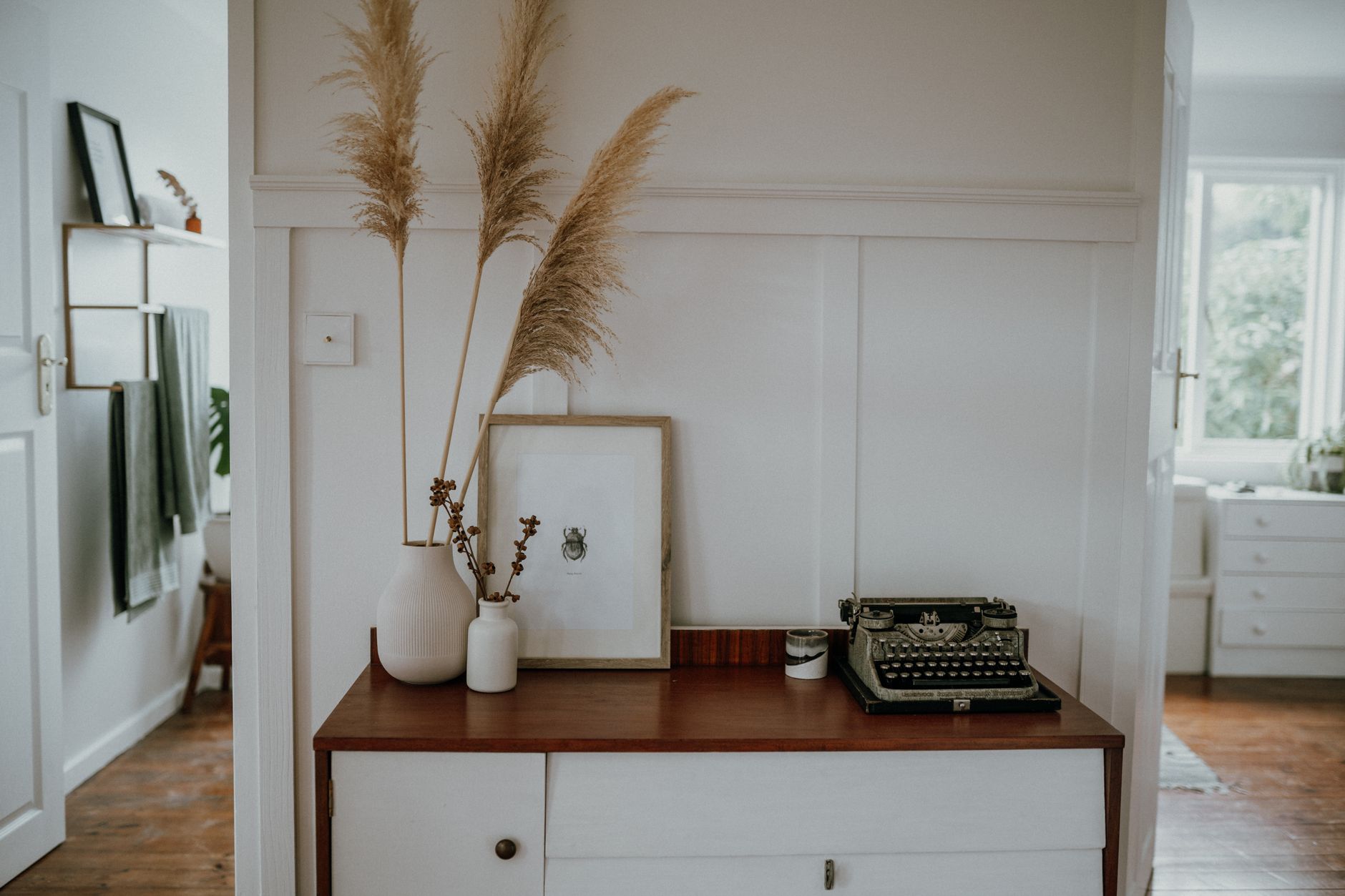
Next Level: Create a cohesion thread by repeating one element from your heirloom throughout the room. If your inherited dresser has brass hardware, echo that warm metal tone in your light fixtures, picture frames, or decorative objects. This subtle repetition helps the old piece feel intentionally placed rather than randomly dropped into the space.
Strategic Placement and Display
Where you place an heirloom matters as much as the piece itself. Displaying family heirlooms on bookshelves and other easily accessible areas can create an interesting juxtaposition between the old and the new. Mix your grandmother’s teacups with contemporary art books, or place vintage photographs alongside modern picture frames on a floating shelf. This integrated approach feels natural and lived-in rather than museum-like.
Consider the function of each space when deciding where heirlooms should live. A sturdy antique desk works beautifully in a home office, especially when paired with a sleek modern chair and current technology. An inherited dining table becomes the heart of your home when surrounded by a mix of vintage and contemporary dining chairs – this eclectic approach is not only stylish but also practical if you don’t have a complete matching set. For smaller items like jewelry, dishes, or decorative objects, think beyond traditional display cases. Shadow boxes, glass domes, or even just a dedicated shelf can showcase these pieces while keeping them part of your everyday environment.
Making Space for Sentimental Pieces
Not every heirloom needs to be furniture or serve a practical purpose. Those delicate items that are too fragile for regular use still deserve a place in your home. Vintage textiles like quilts, embroidered linens, or lace tablecloths can be hung as wall art in simple frames or displayed on quilt ladders. This protects them from wear while turning them into striking visual elements. Consider the story each piece tells and let that guide your display choices.
For collections of smaller items – your grandfather’s vintage tools, your mother’s china collection, or inherited silver pieces – grouping them together creates impact. A gallery wall of family photographs in mismatched frames tells a story that feels personal and curated. Display inherited dishes in open shelving in your kitchen, mixing them with everyday items so they’re both decorative and accessible. The goal is to integrate these pieces into your daily life rather than keeping them precious and untouched. When heirlooms are used and enjoyed, they remain meaningful rather than becoming burdens.
Q&A
What if my inherited furniture doesn’t match my color scheme at all?
Don’t worry about perfect color matching. Instead, look for complementary undertones or use the piece as an intentional accent. If you have a dark wood piece in a light, airy space, embrace the contrast by adding other dark accents throughout the room – black frames, charcoal textiles, or dark metal fixtures. Alternatively, paint can transform the piece entirely. Many wooden heirlooms actually gain new life with a coat of paint in a color that works with your palette. Just make sure the piece isn’t a valuable antique before painting, as this can reduce monetary value even while increasing aesthetic appeal.
How do I incorporate heirlooms without making my home look like a museum or antique shop?
The secret is restraint and mixing. Don’t cluster all your heirlooms in one area or one room. Spread them throughout your home and surround each piece with plenty of contemporary elements. Follow the rule of one vintage piece per vignette or furniture grouping. Keep the rest of your decor simple and current, and make sure your heirloom has visual breathing room. Also, avoid adding period-specific accessories around vintage pieces – that’s what creates the museum effect. An antique sideboard doesn’t need doilies and vintage candlesticks on top; it looks better with a modern lamp and a simple vase of fresh flowers.
What should I do with inherited items that are damaged or in poor condition?
Assess whether repair or restoration is worthwhile based on both sentimental and monetary value. For truly special pieces, professional restoration might be worth the investment. For items in moderate condition, creative repurposing can give them new life – turn a damaged dresser into a bathroom vanity, transform broken china into a mosaic tabletop, or use vintage fabric scraps in throw pillows. If an item is beyond saving but holds memories, consider photographing it well before letting it go, or keeping just a small part of it. You don’t have to keep everything just because it was passed down to you.
How can I display family photographs without creating a cluttered look?
Create one dedicated gallery wall rather than scattering photos everywhere. Use matching or coordinating frames in a consistent style to unify different photograph eras and sizes. Alternatively, create a more flexible display using picture ledges where you can swap photos seasonally or as your mood changes. For a modern approach, scan special photographs and create a digital frame display, or choose your favorite few images to enlarge and frame as statement pieces. Quality over quantity creates more impact and feels less cluttered than dozens of small frames competing for attention.
For Conclusion
Finding a place for family heirlooms in your modern home isn’t about sacrifice or compromise – it’s about creating a space that reflects both where you come from and where you are now. These inherited pieces add depth, character, and authenticity that new items simply can’t provide. They ground your home in history and make it uniquely yours in a world where many spaces can feel generic or overly curated for social media.
The most successful integration happens when you stop thinking of heirlooms as obligations and start seeing them as opportunities. That vintage chair isn’t a decorating problem to solve; it’s a chance to add something genuinely one-of-a-kind to your space. The inherited dishes aren’t clutter; they’re functional art with stories attached. By mixing these pieces thoughtfully with your contemporary style, you create rooms that feel layered, personal, and lived-in. Your home becomes a bridge between generations, honoring the past while fully embracing the present. And ultimately, that kind of authenticity and connection is what transforms a house into a home.