The way we live at home is changing fast, and 2026 is bringing some of the most exciting shifts we’ve seen in years. From smart technology that actually works together to design choices that bring warmth and nature indoors, this year’s home and living trends reflect what matters most to us right now – comfort, sustainability, and spaces that genuinely support how we live. Whether you’re thinking about buying, renovating, or just refreshing a room, understanding these trends can help you make choices that feel both current and timeless.
The Housing Market Finds Its Footing
After years of uncertainty, the housing market in 2026 is showing encouraging signs of stability. Existing home sales are projected to reach 4.26 million this year, marking a 4.3% increase from 2025. This uptick signals growing confidence among both buyers and sellers, creating a healthier, more balanced market than we’ve seen in recent years.
What’s particularly interesting is that home price growth is expected to stay modest, rising only 2% to 3% this year. That’s roughly in line with overall consumer price inflation, which means housing costs are becoming more predictable and less volatile. For buyers, this creates a more stable environment for making decisions without the fear of being priced out within months. For homeowners, it means the value of your property should keep pace with inflation without the wild swings that make financial planning difficult.
This market steadiness is influencing how people think about their homes. Rather than treating houses purely as investment vehicles, more people are focusing on creating spaces they genuinely want to live in for the long term. That shift in mindset is driving many of the design and technology trends we’re seeing this year.
Smart Homes That Actually Make Sense
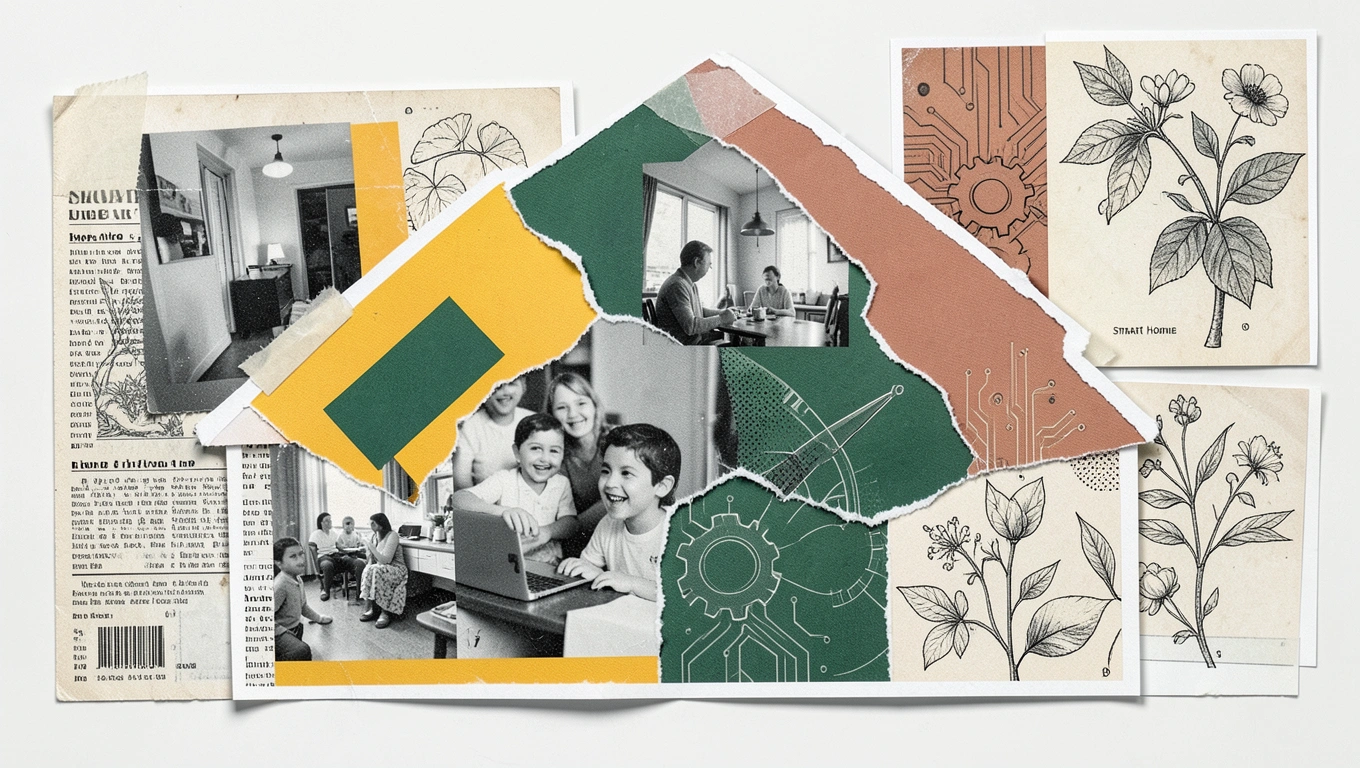
Smart home technology has reached a turning point in 2026. We’re moving beyond the novelty of having a dozen apps to control individual gadgets. The focus now is on interoperability – systems that work together seamlessly to make your home more efficient, comfortable, and easier to manage.
Connected energy systems are leading this charge. Instead of just having a smart thermostat, homeowners are installing systems that coordinate heating, cooling, solar panels, battery storage, and major appliances to optimize energy use throughout the day. Your home can now shift power-hungry tasks like running the dishwasher or charging your car to times when electricity rates are lowest or when your solar panels are producing the most energy.
Another major development is preventive maintenance sensors. These small devices monitor everything from humidity levels that could lead to mold to subtle changes in water pressure that might signal a leak before it becomes a disaster. Think of them as an early warning system for your home’s health. Rather than discovering problems after damage has occurred, you get alerts when something needs attention, potentially saving thousands in repair costs.
What makes these technologies truly useful in 2026 is that they’re designed to work across different brands and platforms. You’re no longer locked into a single ecosystem, which means you can choose the best products for each task and have them communicate with each other effectively.
Next Level: Before investing in smart home devices, map out your daily routines and identify genuine friction points. The best smart home isn’t the one with the most gadgets – it’s the one that quietly handles the tasks you find most tedious or time-consuming. Start with automation that saves you actual time or money, then expand from there.
Design That Brings Nature and Warmth Home
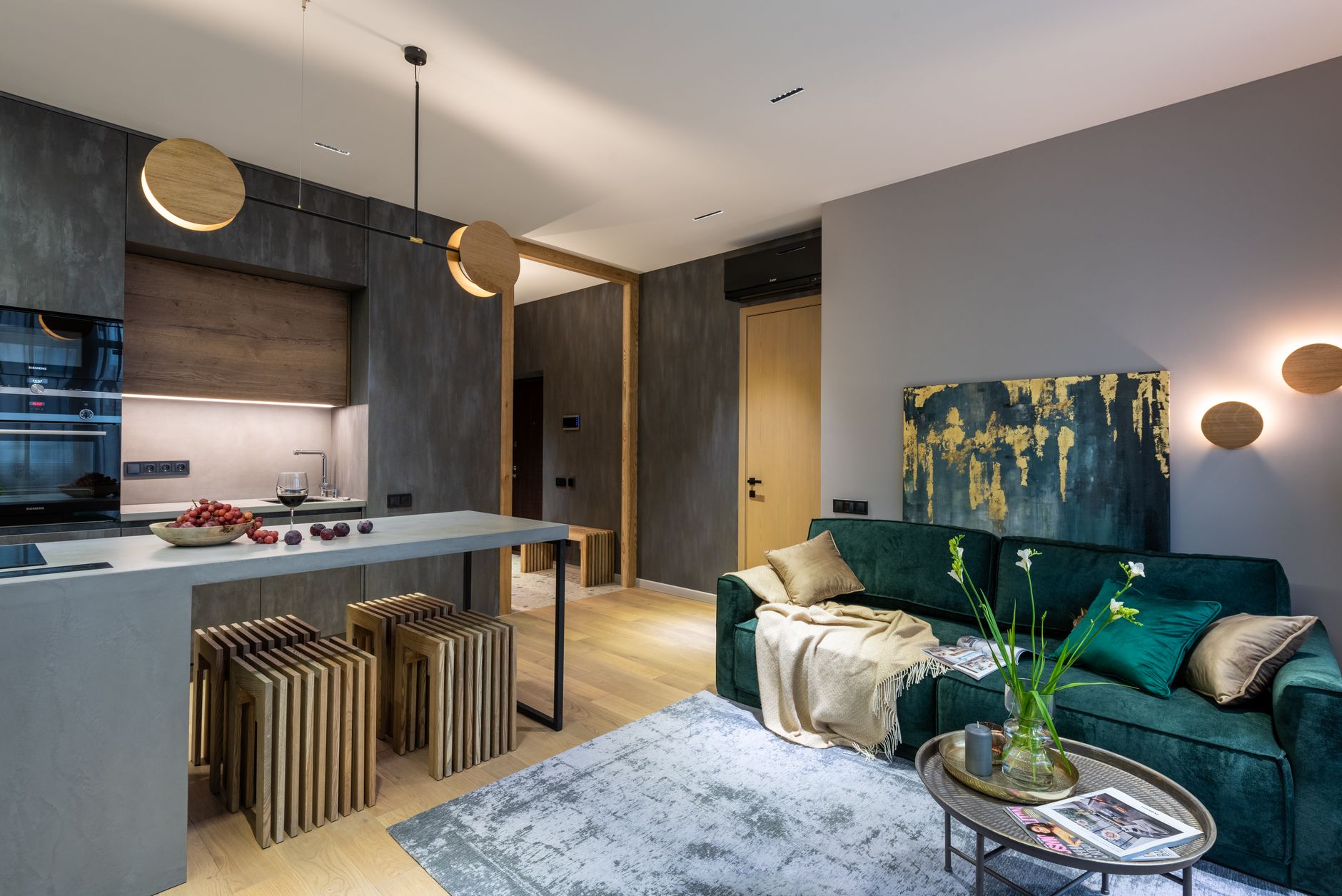
Interior design in 2026 is all about creating spaces with genuine warmth, character, and a deep connection to the natural world. After years of minimalist neutrals and stark modern aesthetics, people are craving homes that feel lived-in and personal from the start.
According to the 2026 U.S. Houzz Fall Design Trends Report, we’re seeing a strong move toward what designers call “new traditionalism” – a fresh take on classic design that feels collected rather than curated. This means mixing vintage finds with contemporary pieces, incorporating natural materials like wood and stone, and choosing colors that reference the outdoors.
Earth tones are having a major moment, but they’re richer and more varied than the beiges of years past. Think deep terracotta, forest green, warm ochre, and clay-inspired neutrals. These colors create rooms that feel grounding and comfortable without overwhelming the senses. Texture plays a huge role too, with layered textiles like linen curtains, wool throws, and handwoven rugs adding depth and interest.
Natural materials aren’t just decorative – they’re structural. Exposed wood beams, stone accent walls, and natural fiber wall coverings are all trending because they bring an authentic connection to nature indoors. Plants continue to be important, but the focus has shifted from Instagram-worthy fiddle leaf figs to easier-care varieties that genuinely improve air quality and add life to spaces.
The goal is to create homes that feel like they’ve evolved over time, reflecting the people who live there rather than looking like they were staged for a magazine shoot. Personal collections, family photos, and meaningful objects are back in style, replacing the hyper-minimal aesthetic that dominated recent years.
Sustainable Living Gets Practical
Sustainability in 2026 has moved beyond grand gestures to focus on practical daily choices that actually fit into real life. The emphasis is on mindful consumption, energy efficiency, and smarter transportation – changes you can implement without completely upending your routine or budget.
Energy efficiency improvements are more accessible than ever. Better insulation, LED lighting, and efficient appliances aren’t just good for the environment – they reduce utility bills enough that many upgrades pay for themselves within a few years. Smart power strips that eliminate phantom energy drain, programmable thermostats that learn your schedule, and simple weatherstripping for doors and windows can make a noticeable difference without requiring major renovations.
Mindful consumption means being more intentional about what we bring into our homes. People are choosing quality over quantity, investing in well-made items that last rather than disposable alternatives. This extends to food choices too, with more households planning meals to reduce waste, composting organic materials, and supporting local producers when possible.
Transportation decisions are part of home life now more than ever. Many households are rethinking whether they need two cars, exploring electric vehicles, or simply combining errands to reduce unnecessary trips. For urban and suburban residents, improved bike infrastructure and better public transit options make car-free or car-light living more feasible.
What makes these sustainability trends stick in 2026 is that they’re driven by practical benefits as much as environmental concerns. Saving money on utilities, reducing clutter, and simplifying daily routines are immediate rewards that make sustainable choices easier to maintain long-term.
Q&A
Are smart home devices worth the investment in 2026?
Smart home devices are worth investing in when they solve real problems or save you meaningful time and money. Focus on systems that improve energy efficiency, enhance security, or automate genuinely tedious tasks. Avoid gadgets that add complexity without clear benefits. The best approach is to start with one or two high-impact upgrades and expand as you discover what actually improves your daily life.
What’s the biggest interior design trend for 2026?
The biggest design trend is moving away from stark minimalism toward warmer, more personal spaces that incorporate natural materials and earth tones. People want homes that feel collected and lived-in rather than perfectly staged. This means mixing vintage and modern pieces, adding texture through natural fibers, and choosing colors inspired by nature rather than following a rigid neutral palette.
Is now a good time to buy a home?
With home sales increasing and price growth stabilizing at modest levels, 2026 offers a more balanced market than recent years. Prices are expected to rise roughly in line with inflation, meaning you’re less likely to see the dramatic swings that made timing the market so stressful. If you find a home that fits your needs and budget, and you plan to stay for several years, the current market conditions are reasonably favorable for buyers.
How can I make my home more sustainable without major renovations?
Start with energy efficiency improvements like LED bulbs, smart thermostats, and weatherstripping around doors and windows. These changes require minimal investment but reduce utility costs immediately. Next, focus on mindful consumption – buy quality items that last, reduce food waste through better meal planning, and compost organic materials if possible. Small daily choices add up to significant impact over time without requiring expensive renovations.
For Conclusion
The home and living trends making news in 2026 reflect a maturing approach to how we think about our spaces. We’re moving past the hype phase of smart technology toward systems that genuinely make life easier. We’re choosing design that feels warm and personal instead of following rigid aesthetic rules. And we’re embracing sustainability in ways that fit real life rather than requiring dramatic sacrifice.
What ties these trends together is a focus on authenticity and practicality. Whether it’s a housing market finding stability, technology that works seamlessly, design that reflects individual taste, or sustainable choices that also save money, the common thread is that these trends serve the people living in these homes. They’re not about keeping up with what’s fashionable – they’re about creating spaces that support the lives we actually want to live.
As you think about your own home this year, the question isn’t whether to follow every trend, but which changes would genuinely improve your daily experience. The best homes in 2026 are the ones that work for the specific people living in them, not the ones that check every box on a trend list.