If you’ve ever admired those homes where greenery seems to effortlessly thrive in every corner, you might assume the owners have a green thumb or hours to spare. The truth is simpler. The right plants don’t demand constant attention – they just need to suit your space and schedule. Low-maintenance plants offer all the beauty and benefits of nature without the stress of daily watering routines or specialized care. They brighten rooms, improve air quality, and create that calm, welcoming feeling that only living things can bring. Whether you’re new to houseplants or simply want greenery that fits your busy life, there’s a world of resilient, forgiving plants ready to transform your home.
Why Low-Maintenance Plants Matter
Simply being around plants has been shown to lower cortisol levels, reduce blood pressure, and create a measurable sense of calm. But these benefits only work if the plants actually survive. That’s where low-maintenance varieties shine. They’re bred or naturally adapted to tolerate the kind of benign neglect most of us occasionally offer our indoor gardens.
Beyond the wellness boost, these plants introduce organic shapes, vertical movement, and living color, enhancing interior design in ways furniture and art cannot. A snake plant in the corner adds height and structure. A pothos trailing from a shelf softens hard edges. Succulents clustered on a windowsill bring texture and interest. The inclusion of low-maintenance plants in a home can boost productivity and creativity, making them practical additions to home offices and creative spaces.
The beauty of easy-care plants is they adapt to you. Forgot to water for two weeks? Most will forgive you. Light conditions less than ideal? Many tolerate it. They work with your rhythm rather than demanding you change your routine around their needs.
Top Low-Maintenance Plants That Actually Brighten Spaces
Not all low-maintenance plants are equally good at adding brightness to a room. Some excel at thriving in low light but offer muted greens. Others bring vibrant color or dramatic form that genuinely transforms a space. Here are varieties that combine ease of care with real visual impact.
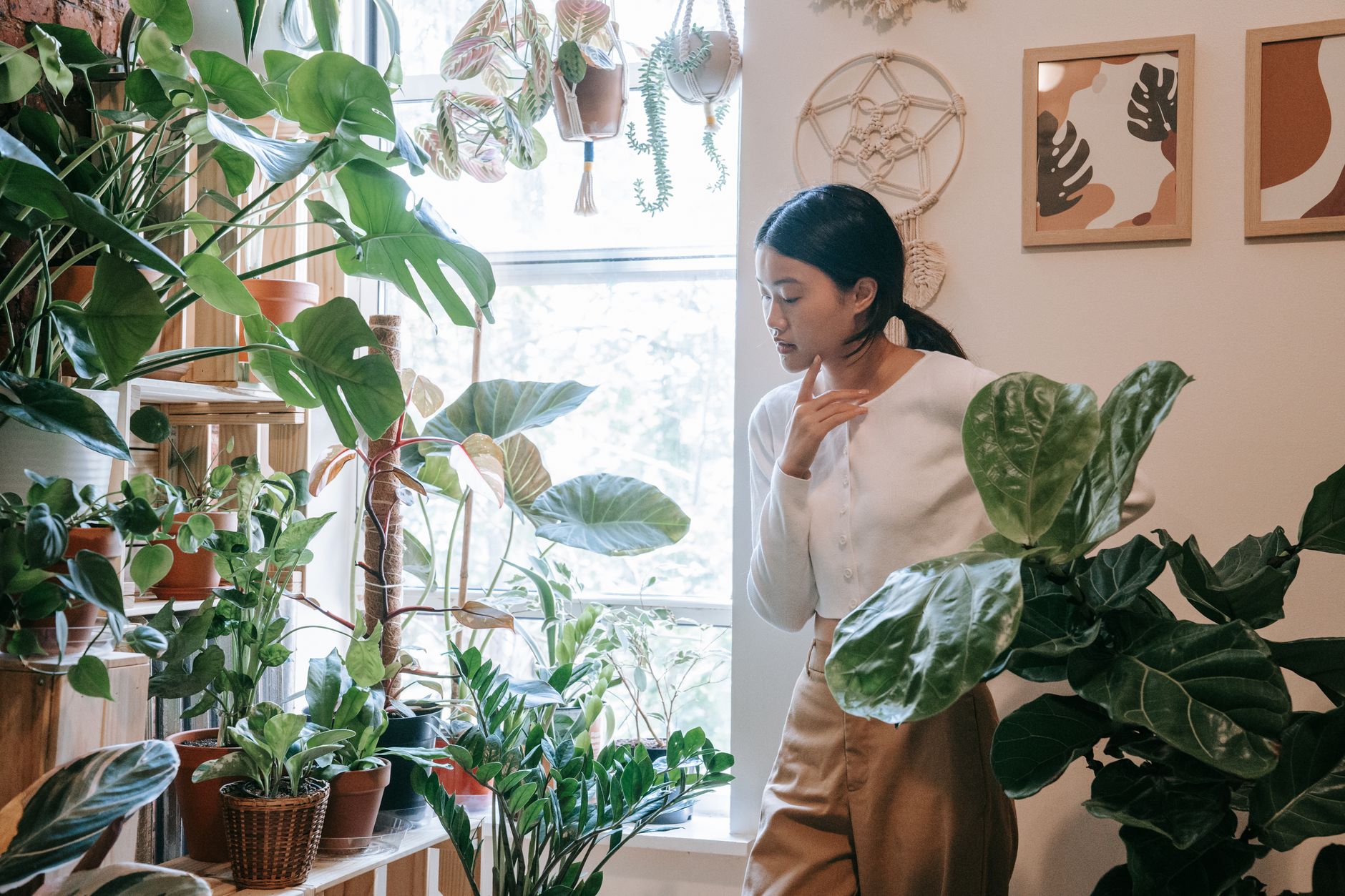
Snake plants, also called Sansevieria, are nearly indestructible. The cylindrical variety stores water in its leaves and can tolerate irregular watering, thriving on being watered every two to six weeks. Its upright, architectural form adds instant sophistication to modern spaces. Pothos comes in variegated varieties with cream, yellow, or white splashes that catch the light beautifully. It grows quickly, trails elegantly, and tolerates both low light and forgotten waterings.
ZZ plants have glossy, almost waxy leaves that reflect light, making dark corners appear brighter. They can go weeks without water and actually prefer to dry out between drinks. For actual flowering color, peace lilies produce elegant white blooms with minimal fuss. They’re more forgiving than most flowering plants and will droop dramatically when thirsty, then perk right back up after watering – a built-in reminder system.
Succulents and cacti offer the ultimate in low-maintenance care, though they do need bright light to truly thrive. Aloe vera is both decorative and functional, providing soothing gel for minor burns. Jade plants develop thick trunks over time, resembling miniature trees. According to Good Housekeeping’s guide to hard-to-kill plants, many of these varieties have been tested and proven to survive even in homes where previous plants haven’t made it.
Next Level: Create a self-watering system for vacations or forgetful weeks by placing potted plants in a shallow tray filled with pebbles and water. The pot should sit on the pebbles, not in the water directly. As the water evaporates, it creates humidity around the plant and slowly wicks up through the drainage holes, keeping the soil slightly moist without overwatering.
Matching Plants to Your Space and Light
The most common reason low-maintenance plants fail isn’t overwatering or neglect – it’s being placed in the wrong spot. Light requirements matter, even for forgiving plants. A succulent stuck in a windowless bathroom won’t brighten anything because it won’t survive. Understanding your light conditions transforms plant selection from guesswork into strategy.
Bright, direct light near south-facing windows suits cacti, succulents, jade plants, and some varieties of snake plants. These plants will show their best colors and maintain compact growth in strong light. Bright, indirect light – the kind you get a few feet from a window or in a room with large windows but no direct sun exposure – works for most mainstream houseplants. Pothos, philodendrons, ZZ plants, and spider plants all thrive here.
Low light doesn’t mean no light – it means areas away from windows or rooms with small windows. Snake plants, pothos, and ZZ plants tolerate these conditions better than most. Peace lilies can even bloom in moderate shade. If your space truly lacks natural light, consider supplementing with grow lights designed for bright-light plants, which has become more affordable and accessible in recent years.
Bathrooms with windows offer ideal conditions for plants that love humidity, like ferns and certain tropical varieties. Kitchens work well for herbs if you have good light, combining function with greenery. Bedrooms benefit from plants like snake plants or pothos, which continue releasing oxygen at night. Home offices gain productivity benefits from any greenery that fits the available light.
Care Basics That Actually Matter
Low-maintenance doesn’t mean zero-maintenance. It means the care requirements are simple, forgiving, and fit into a normal routine without special equipment or expertise. Getting a few basics right makes the difference between plants that thrive and plants that merely survive.
Watering is the biggest variable. Most beginners overwater, which causes root rot – the number one killer of houseplants. The stick-your-finger-in-the-soil method works better than any schedule. Push your finger about two inches into the soil. If it feels dry, water thoroughly until water runs out the drainage holes. If it still feels moist, wait a few more days. Most low-maintenance plants prefer to dry out between waterings.
Drainage matters more than the pot’s appearance. Any container without drainage holes will eventually drown the plant, no matter how carefully you water. If you love a decorative pot without holes, use it as a cachepot – place the plant in a plastic nursery pot with drainage, then set that inside the prettier container. Water in the sink, let it drain completely, then return it to the decorative pot.
Fertilizing for low-maintenance plants should be minimal. Most do fine with a diluted liquid fertilizer every few months during the growing season, spring through summer. Some, like snake plants and ZZ plants, barely need feeding at all. When in doubt, less is more – overfertilizing causes more problems than underfertilizing for these hardy varieties.
Dust accumulation on leaves blocks light and reduces the plant’s ability to photosynthesize. Wiping large leaves with a damp cloth every few weeks keeps them looking bright and functioning well. For plants with many small leaves, a gentle shower in the sink works perfectly. This simple step makes a noticeable difference in how vibrant your plants look.
Q&A
What’s the absolute easiest plant for someone who’s killed every plant they’ve ever owned?
The ZZ plant is your best bet. It tolerates neglect, low light, irregular watering, and general forgetfulness better than almost any other houseplant. Snake plants come in a close second. Both have thick, water-storing structures that let them coast through dry periods, and neither requires bright light to survive. Start with one of these – if you can keep them alive for six months, you’re ready to expand your collection with confidence.
How often should I actually water low-maintenance plants?
There’s no universal schedule because it depends on your home’s temperature, humidity, light levels, pot size, and the specific plant. Most low-maintenance varieties do well with watering every one to three weeks, but the finger test is more reliable than any calendar. Check the soil moisture before watering rather than watering on a set day. Seasonal changes matter too – plants need less water in winter when growth slows and more during active growing periods in spring and summer.
Can low-maintenance plants really improve indoor air quality?
Plants do filter some toxins from the air, though you’d need quite a few to make a significant impact in air purification – we’re talking dozens of plants, not just a couple. The real air quality benefit comes from the humidity they add through transpiration and the psychological effect that improves your overall sense of well-being. The calming presence and the routine of caring for them often matters more than the chemical air filtration, though that’s a nice bonus.
Is it worth buying expensive pots and planters for low-maintenance plants?
Invest in function first, aesthetics second. The pot must have drainage holes – that’s non-negotiable for plant health. Beyond that, choose containers that make you happy when you look at them. A beautiful pot can highlight a simple plant and make it feel like intentional decor rather than an afterthought. That said, inexpensive terracotta pots work perfectly well and actually benefit many plants because the clay is porous and helps soil dry out evenly. Save your budget for the plants themselves and add fancier containers as you discover which plants you enjoy most.
For Conclusion
The idea that you need a green thumb to enjoy houseplants is outdated. What you really need are plants that match your lifestyle and space, and the willingness to learn what each one actually wants rather than what you think it should want. Low-maintenance plants brighten homes not just through their physical presence but through the small moments of care they invite into your routine. Checking soil moisture, noticing new growth, wiping dust from leaves – these tiny interactions ground us in the present and connect us to living things in a way that feels increasingly rare.
Your home doesn’t need to look like a botanical garden to benefit from greenery. One well-chosen plant in the right spot can shift the energy of an entire room. Two or three thoughtfully placed plants create a pattern of life that makes spaces feel inhabited and cared for. Start small, choose varieties known for forgiveness, and pay attention to what works in your specific conditions. The plants that thrive will teach you what to try next. The goal isn’t perfection or an Instagram-worthy jungle – it’s simply bringing more living beauty into the spaces where you spend your time.