
Living in a small space doesn’t mean you have to feel cramped or claustrophobic. With a few thoughtful design choices and strategic adjustments, you can transform even the tiniest living room into a space that feels open, airy, and surprisingly spacious. The secret isn’t about knocking down walls or embarking on expensive renovations – it’s about understanding how light, color, furniture placement, and visual tricks work together to change our perception of space. Whether you’re in a cozy apartment, a compact house, or simply working with an awkwardly sized room, these practical strategies will help you make the most of every square foot while creating a comfortable, inviting atmosphere for you and your guests.
Light Colors Are Your Best Friend
When you’re working with limited square footage, your color palette becomes one of your most powerful tools. Light, neutral shades like soft whites, pale grays, warm beiges, and gentle pastels naturally reflect more light than dark colors, which absorb it. This reflection creates a sense of brightness and openness that makes walls seem to recede rather than close in.
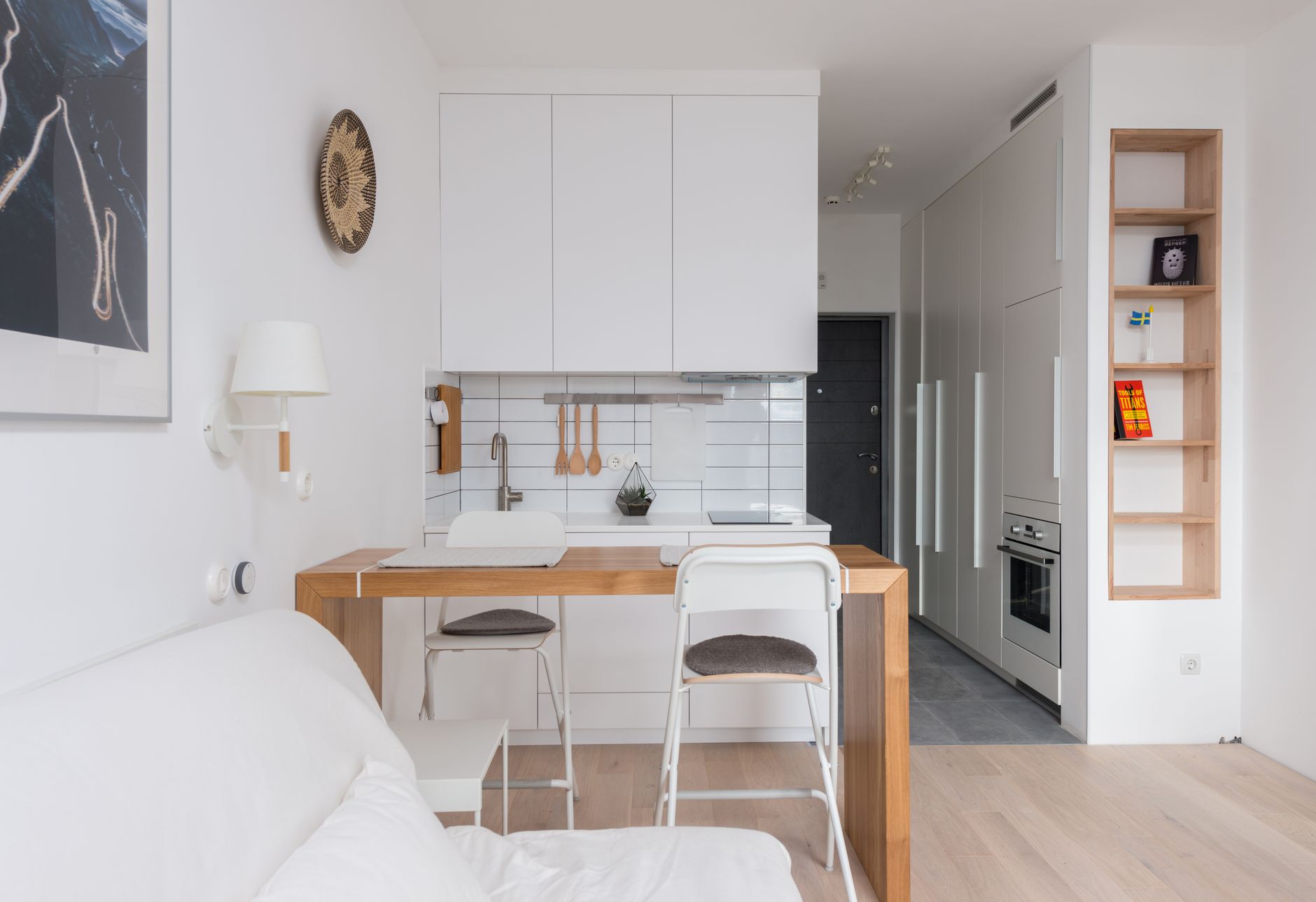
Consider painting your walls in a crisp white or a barely-there shade of cream. These colors act as a blank canvas that bounces natural and artificial light around the room, instantly opening up the space. But don’t stop at the walls – extend this principle to your furniture and larger décor pieces. A light-colored sofa, for example, will feel less visually heavy than a dark leather one, even if they’re the exact same size.
That said, all-light doesn’t mean all-boring. You can absolutely add personality and depth through accessories, throw pillows, artwork, and smaller accent pieces in bolder hues. The key is keeping your largest surfaces light while using pops of color strategically. This approach gives you the visual breathing room you need while still expressing your personal style. Think of it as creating a bright, airy foundation that you can layer with character and warmth.
Strategic Mirror Placement Creates Illusion
Mirrors are like magic for small spaces, and interior designers have relied on this trick for generations. When positioned thoughtfully, mirrors can make a small living room feel more open by reflecting both natural and artificial light throughout the space, effectively doubling the perceived brightness and depth of your room.
The placement matters more than you might think. Position a large mirror directly across from a window, and it will capture and reflect that precious natural light, making your room feel sun-drenched even on cloudy days. You can also place mirrors to reflect attractive views or interesting architectural features, creating visual depth that extends beyond your actual walls.
Size and style choices play a role too. A single large mirror often makes more impact than several small ones – think of a floor-to-ceiling mirror leaning against a wall or a substantial framed piece hung at eye level. Frameless or thin-framed mirrors tend to create a more seamless, spacious effect, while ornate frames can add character but may draw more attention to the mirror itself rather than the space it reflects. Whatever style you choose, avoid cluttering the wall with too many reflective surfaces, which can create a disorienting funhouse effect rather than the open, elegant atmosphere you’re aiming for.
Next Level: Place a mirror behind a light source, like a table lamp or wall sconce. The reflection amplifies the light output, creating a warm glow that makes your space feel more expansive while adding ambient lighting without additional fixtures or electrical work.
Multi-Functional Furniture Maximizes Every Inch
When space is at a premium, every piece of furniture needs to earn its place. Multi-functional pieces are game changers because they deliver multiple benefits without taking up additional square footage. A storage ottoman, for instance, provides seating, a footrest, and hidden storage for blankets, games, or magazines. A sofa bed transforms your living room into a guest room when needed, eliminating the need for a dedicated spare bedroom.
Coffee tables with built-in shelving or drawers keep remotes, books, and other living room essentials organized and out of sight, reducing visual clutter while maintaining easy access. Nesting tables can be spread out when you’re entertaining and tucked away when you need more floor space. Wall-mounted desks or fold-down tables create workspace that disappears when not in use.
When shopping for furniture, look for pieces with exposed legs rather than skirted bases. Sofas and chairs that sit on visible legs create sight lines underneath, allowing your eye to travel across more floor space and making the room feel less blocked and crowded. Glass or acrylic furniture – like a clear coffee table or lucite chairs – practically disappears visually while still providing full functionality. These pieces let light pass through them, contributing to that open, airy feeling you’re cultivating.
Vertical Space Draws the Eye Upward
Most people focus on floor space when thinking about room size, but vertical space is equally important for creating the illusion of a larger room. Tall bookcases, floor-to-ceiling curtains, and vertical storage solutions draw the eye upward, emphasizing ceiling height and making your room feel taller and more spacious than it actually is.
Instead of short, squat furniture that emphasizes the room’s horizontal limitations, choose taller pieces that take advantage of your wall height. A tall, narrow bookshelf has less footprint than a wide, short one while providing similar storage. Hanging curtain rods at ceiling height rather than just above the window frame creates the illusion of taller windows and higher ceilings, elongating your walls visually.
Wall-mounted shelving and floating cabinets serve double duty – they provide essential storage while keeping floor space clear and visible. This uninterrupted floor area is crucial for making a room feel larger. Consider installing shelves in unexpected vertical spaces, like above doorways or in corners, to maximize storage without sacrificing precious square footage. Just be careful not to crowd your walls too heavily. The goal is to use vertical space wisely, not to create visual chaos that makes the room feel cluttered in a different direction.
Embrace Minimalism and Reduce Clutter
Perhaps the most impactful change you can make costs nothing at all – simply reducing the amount of stuff in your living room. Visual clutter makes any space feel smaller and more chaotic, while a thoughtfully edited room with clean surfaces and clear pathways feels significantly more spacious and peaceful.
This doesn’t mean your living room needs to look stark or sterile. It means being intentional about what you display and store in view. Choose a few meaningful decorative items rather than covering every surface with knickknacks. Keep coffee tables and side tables relatively clear, using trays to corral remote controls and daily essentials. Regularly assess what’s in your space and remove items that don’t serve a purpose or bring you genuine joy.
Smart storage solutions make minimalism easier to maintain. Baskets, decorative boxes, and closed cabinets hide everyday items while keeping them accessible. A media console with doors conceals electronics and media collections that might otherwise create visual noise. Built-in storage, if you have it or can add it, is ideal because it uses wall depth that would otherwise go to waste while maintaining clean lines that don’t protrude into your living space.
The fewer obstacles your eye encounters when scanning a room, the larger and more cohesive that room will feel. This principle extends to furniture arrangement too – leave clear pathways for movement and avoid pushing all your furniture against the walls, which can actually make a small room feel smaller by emphasizing its limited dimensions. Sometimes floating furniture slightly away from walls creates better flow and more usable space.
Q&A
What color should I paint a small living room to make it look bigger?
Stick with light, neutral colors like soft white, pale gray, warm beige, or light pastels. These shades reflect more natural and artificial light, making walls appear to recede and creating an airier, more open feeling. Avoid dark colors on large surfaces, as they absorb light and can make spaces feel more confined, though you can certainly use darker accent colors in smaller doses through accessories and artwork.
Should I use a rug in a small living room?
Yes, but choose wisely. A rug can actually make a small living room feel bigger if it’s the right size – go larger rather than smaller, ensuring that at least the front legs of your furniture sit on it. This creates a unified zone that makes the space feel more cohesive and expansive. A too-small rug that floats in the middle of the room will chop up your floor space visually and make the room feel smaller. Light-colored rugs or those with simple patterns work best for maintaining that open feeling.
Where should I place furniture in a small living room?
Contrary to popular belief, pushing all furniture against the walls isn’t always the best approach in small spaces. Instead, arrange furniture to create conversation areas and natural pathways, sometimes floating pieces slightly away from walls. Position your sofa perpendicular to the longest wall rather than against it, if possible, to create better flow. Keep walkways clear and ensure you can move comfortably around the room without bumping into furniture edges. The goal is functionality and visual balance, not just maximizing every inch of wall space.
Can I use patterns in a small living room without making it feel cluttered?
Absolutely, but choose carefully. Stick to one or two patterns maximum, and vary their scale – pair a large-scale pattern with a smaller one for visual interest without overwhelm. Vertical stripes can make ceilings feel higher, while subtle, monochromatic patterns add texture without creating visual chaos. Avoid busy, high-contrast patterns on large surfaces like walls or major furniture pieces, reserving bolder patterns for smaller accent items like throw pillows or a single statement chair.
Final Thoughts
Making a small living room feel bigger isn’t about expensive renovations or designer furniture – it’s about understanding how design elements interact to shape our perception of space. Light colors reflect brightness, mirrors multiply light and views, multi-functional furniture eliminates redundancy, vertical storage draws eyes upward, and thoughtful editing reduces visual noise. Each strategy works on its own, but together they create a cumulative effect that can genuinely transform how a room feels.
The beauty of these approaches is their flexibility. You don’t need to implement every suggestion at once or invest heavily to see results. Start with one or two changes that resonate with your space and budget – maybe a fresh coat of light paint, or simply decluttering and rearranging what you already own. Small adjustments often yield surprisingly significant impacts.
Remember that your living room should ultimately reflect your personality and meet your practical needs, not just follow design rules. The most successful small spaces feel bigger precisely because they’re well-edited, purposeful, and authentic to the people who live in them. Use these strategies as a foundation, then adapt them to create a space that truly feels like home – one that welcomes you in and breathes easy, no matter its actual dimensions.