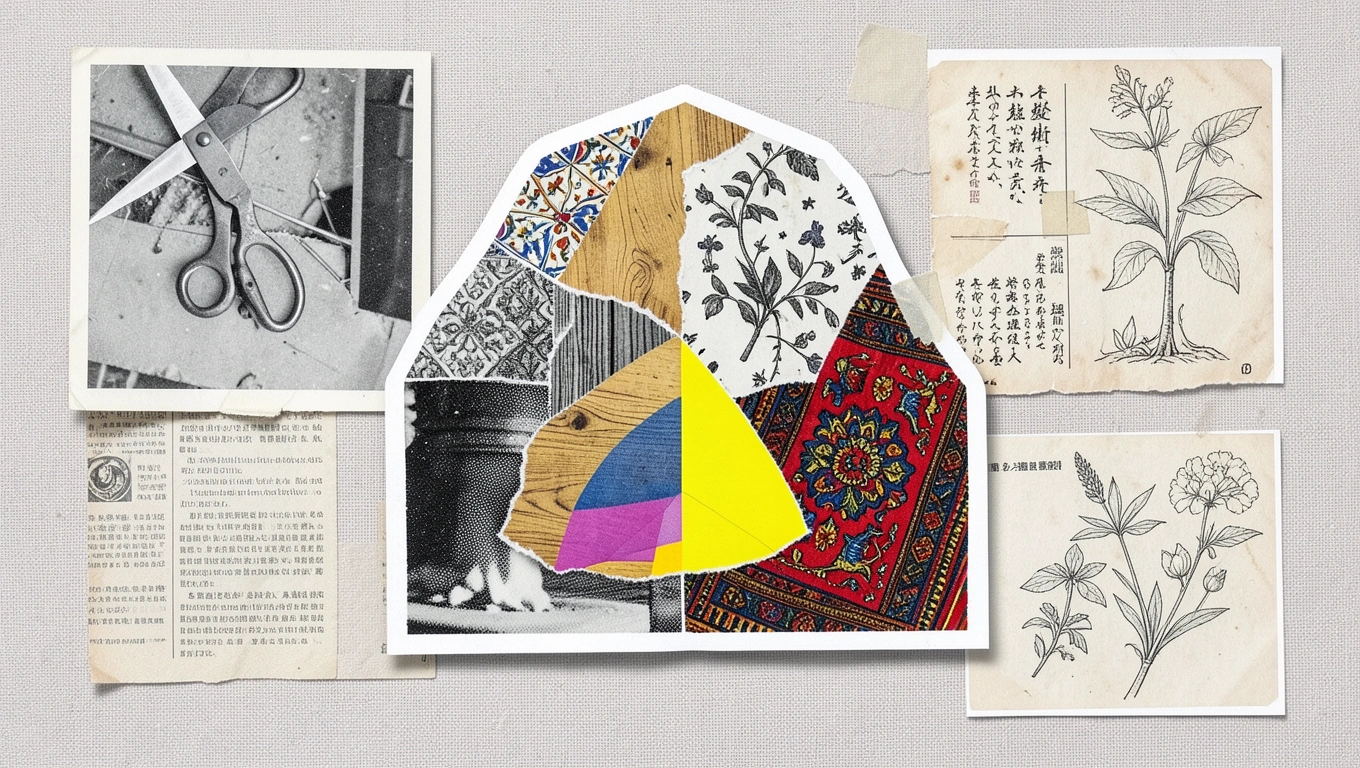
Creating a home that tells your story means bringing together pieces from the places, cultures, and experiences that matter to you. When you mix styles from different cultures in one room, you’re doing more than decorating – you’re building a space that reflects who you are and where you’ve been. This approach, known as cultural fusion or eclectic design, gained momentum in the 1980s as designers and homeowners moved away from rigid style categories. Today, it offers a refreshing way to create rooms that feel personal, layered, and genuinely unique. The best part? You can combine treasures from your travels, family heirlooms, and pieces that simply speak to you, all while creating a space that feels balanced and intentional rather than chaotic.
The Foundation of Cultural Fusion Design
Cultural fusion in interior design centers on blending elements from various cultures to create harmonious spaces that celebrate diversity and storytelling. The concept isn’t new – ancient civilizations like the Egyptians, Greeks, and Romans already incorporated decorative elements that reflected their own cultures and those they encountered through trade and conquest. What makes today’s approach different is the intentionality behind it.
Think of your room as a conversation between different design traditions. You might pair Moroccan tiles with Scandinavian woodwork, or place a Japanese ceramic vase on a mid-century modern credenza. The key is understanding what makes each cultural style distinctive. Scandinavian design emphasizes clean lines, natural materials, and functionality. Moroccan aesthetics celebrate bold colors, intricate patterns, and rich textures. Japanese design values simplicity, natural materials, and the beauty of imperfection. When you understand these core principles, you can mix elements thoughtfully rather than randomly.
Success comes from finding common threads. Maybe you’re drawn to natural materials across cultures – bamboo from Asia, reclaimed wood from American farmhouse style, and woven textiles from South America. These different elements share an organic quality that helps them coexist beautifully. Or perhaps you love geometric patterns, which appear in everything from Aztec designs to Art Deco to African mudcloth. Finding these connections makes your fusion feel purposeful.
Building Your Palette and Balance
Eclectic design encourages bold contrasts in colors, textures, and patterns, but that doesn’t mean throwing everything together without thought. Start with a unifying element – often a neutral base or a repeated accent color that appears throughout the room. This anchor helps different cultural elements feel like they belong together rather than competing for attention.
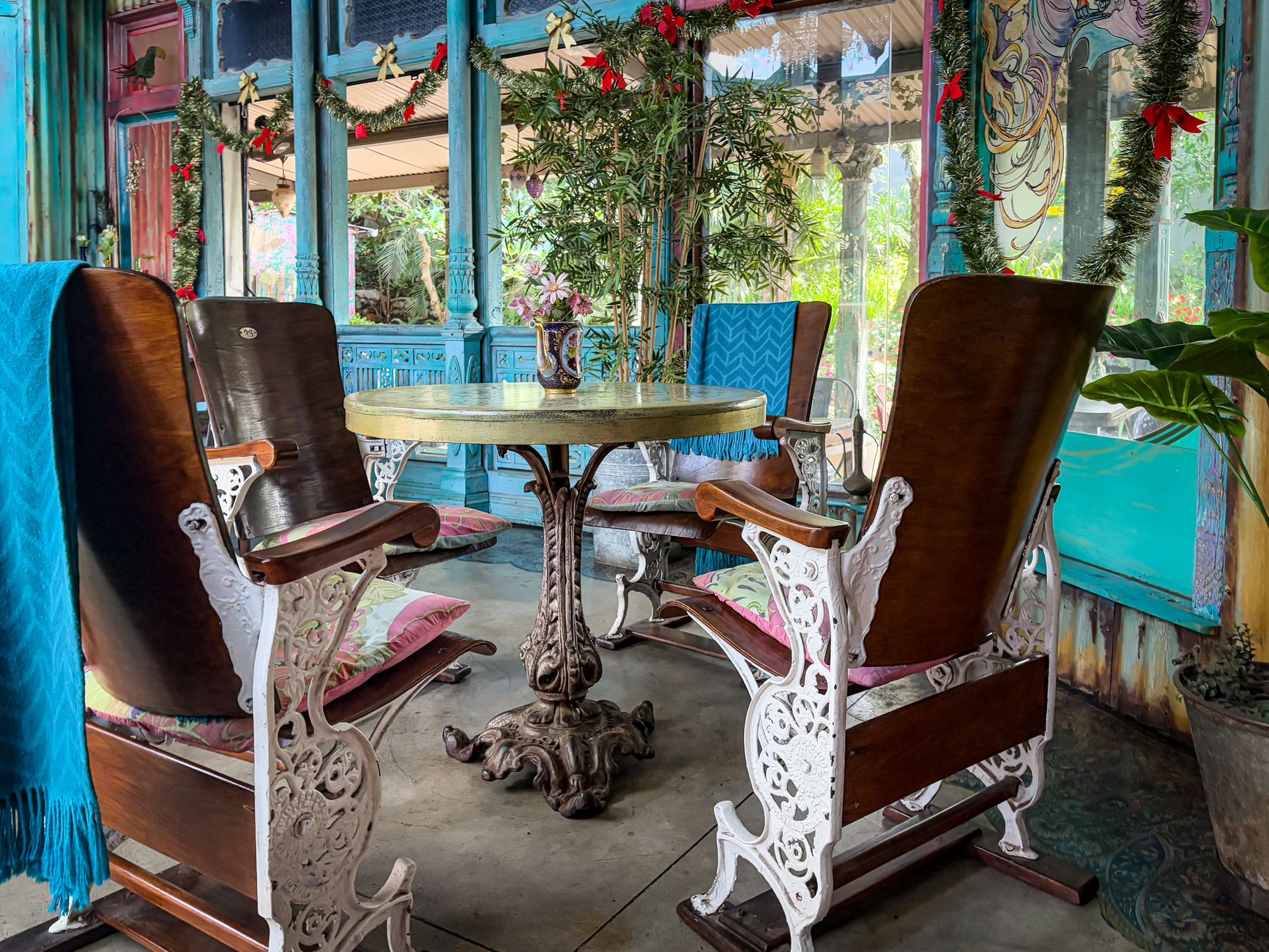
Your color strategy might involve choosing a neutral palette for major pieces like sofas and walls, then layering in cultural elements through accessories, textiles, and art. A cream-colored sofa works equally well with Turkish kilim pillows, Indian block-print throws, and African mudcloth cushions because the neutral base lets each pattern shine without overwhelming the space. Alternatively, you might choose one bold color that appears in different cultural contexts – like indigo, which shows up in Japanese shibori, West African batik, and traditional Portuguese tiles.
Texture and material mixing adds depth to cultural fusion. The blend of various materials like wood, leather, velvet, glass, and metal creates visual interest and prevents any single style from dominating. A glass coffee table doesn’t belong to any particular culture, making it a perfect neutral platform for displaying a Moroccan tea set or Indonesian carved box. Smooth leather seating balances rough-hewn wooden side tables. Shiny brass accents play beautifully against matte ceramic pieces.
Next Level: Create intentional focal points by grouping culturally diverse items in designated areas, then balance these rich, busy zones with calm, minimal spaces where the eye can rest. This prevents the room from feeling chaotic while still celebrating your collection of global treasures.
Respecting Cultural Authenticity While Making It Personal
Successfully blending cultural styles requires sensitivity and respect for the origins of each piece. The goal is integration with awareness, not appropriation or surface-level decoration. When you bring a cultural element into your home, understanding its context and significance adds meaning to your space and honors the tradition it comes from.
This doesn’t mean you need to recreate an authentic room from another culture – that’s not fusion, that’s replication. Instead, choose pieces that genuinely resonate with you and display them thoughtfully. If you have a traditional Chinese screen, understand whether it’s meant to be purely decorative or served a specific purpose in its original context. If you’re drawn to Native American textiles, seek out authentic pieces from Indigenous artists rather than mass-produced imitations, and display them in ways that show respect for their craftsmanship.
Cultural fusion also means embracing the stories behind your pieces. The emotional impact can evoke feelings of connection, nostalgia, and curiosity, bringing personal memories and cultural appreciation into your home. That Turkish lamp you bought in Istanbul means more because you remember the craftsman who made it. The Indian block-print tablecloth becomes a conversation piece when you can share where you found it and what it represents. These stories transform your room from simply stylish to deeply meaningful.
Making It Work Without Breaking the Bank
One of the best aspects of cultural fusion is that it can be cost-effective. You’re not buying a matching furniture set or following a designer’s predetermined vision. Instead, you can build your room over time, mixing new purchases with second-hand finds, travel souvenirs, and family heirlooms. This approach doesn’t require expensive designer pieces – it requires a good eye and patience.
Start by shopping your own home. You might already own pieces from different cultural backgrounds that you’ve kept in separate rooms. Bringing them together can create surprising combinations. That brass tray from Morocco could serve as a coffee table centerpiece. The carved wooden stool from Kenya might work as a plant stand. The vintage Japanese kimono could be framed as wall art.
Thrift stores, estate sales, and online marketplaces offer opportunities to find authentic cultural pieces at reasonable prices. You’re often looking for handcrafted items, natural materials, and pieces with character rather than perfect, matching sets. A worn Persian rug with a few threadbare spots costs less than a new one but carries more history. Vintage travel posters from different countries cost little but add significant visual interest.
Remember that you don’t need to fill every surface immediately. Part of what makes cultural fusion successful is curation – choosing each piece deliberately rather than buying everything at once. This measured approach also helps your budget and prevents the common mistake of treating fusion as chaos. Each piece should have a deliberate reason for being in the room.
Q&A
How many different cultural styles can I mix in one room?
There’s no magic number, but most designers suggest focusing on two or three primary cultural influences with smaller touches from others. Too many competing styles can feel scattered. Choose cultures whose aesthetics you genuinely connect with, then add variety through accessories and textiles rather than major furniture pieces from every tradition.
What’s the biggest mistake people make when mixing cultural styles?
The most common mistake is thinking fusion means randomly combining everything without consideration. Each piece needs purpose and placement. Another pitfall is treating cultural items as exotic props rather than meaningful additions. Avoid creating a “tourist souvenir shop” look by being selective and ensuring pieces work together visually, not just culturally.
How do I keep a culturally mixed room from looking cluttered?
Use the 70-30 rule: about 70% of your room should be relatively neutral or calm, with 30% featuring bold cultural elements. Create designated focal areas where you display intricate pieces, balanced by simpler zones. Regular editing helps too – rotate items seasonally rather than displaying everything simultaneously. White or neutral walls often work best to let your cultural pieces stand out without overwhelming the space.
Should I worry about mixing cultural elements that historically wouldn’t have been together?
Not particularly. Your home isn’t a museum or historical recreation. It’s your personal space reflecting your experiences and interests. A Japanese tansu chest can absolutely sit next to a Mexican Talavera vase. What matters is that the combination works visually and means something to you. Focus on color harmony, scale, and balance rather than historical accuracy or geographical proximity.
For Conclusion
Mixing styles from different cultures in one room gives you the freedom to create something truly personal. Your space becomes a reflection of your experiences, interests, and appreciation for the wider world. This isn’t about following strict design rules or recreating showroom looks – it’s about surrounding yourself with pieces that tell your story and make you feel at home. The beauty of cultural fusion lies in its flexibility and its honesty. You’re not pretending to be from somewhere else or trying to achieve some predetermined aesthetic. You’re simply bringing together the things you love in a way that feels balanced and intentional. As you build your space over time, trust your instincts. If something feels right to you, if it brings you joy or reminds you of a meaningful experience, it probably belongs in your room. The most successful culturally mixed spaces aren’t the ones that follow formulas – they’re the ones where you can feel the person who lives there, see their journey, and understand what matters to them. That authenticity is what transforms a decorated room into a genuine home.