
Something’s shifting in how we handle broken stuff. Across kitchens, garages, and repair cafes in neighborhood libraries, more people are reaching for screwdrivers instead of credit cards when their toaster stops working or their favorite jeans develop a hole. This isn’t just nostalgia for a simpler time – it’s a practical response to rising costs, environmental awareness, and a growing frustration with products designed to be tossed after a few years. The repair movement is gaining real momentum, and the reasons behind it reveal something important about changing priorities and economic realities.
The Economics of Fixing What You Have
Money talks, and right now it’s saying that replacement costs have gotten out of hand. When a smartphone costs what used to be a month’s rent, or a washing machine runs several hundred dollars, suddenly investing an hour of your time and twenty dollars in parts starts making serious sense. Consumer decisions around repair are heavily driven by cost considerations, with many people weighing the price of replacement against their ability to extend a product’s life.
The math works out better than many people expect. A coffee maker that dies after three years might need a simple heating element that costs a fraction of buying new. A laptop running slowly often just needs more memory or a cleaned fan, not a complete replacement. Even paying someone else to do the repair frequently costs less than half what you’d spend on a new version of the same item.
Beyond the immediate savings, there’s a compounding effect. When you repair something successfully once, you’re more likely to try it again. You learn what tools you need, where to find parts, and how to diagnose common problems. That knowledge translates to other repairs, building confidence and capability that saves money across multiple categories over time.
Environmental Impact That Actually Feels Real
Climate change can feel abstract until you’re standing in front of your own trash can, about to toss a perfectly functional appliance that needs one cheap part. The waste becomes visceral. Electronic waste alone represents one of the fastest-growing waste streams globally, and every repaired phone or laptop is one less device in a landfill leaching toxic materials into groundwater.
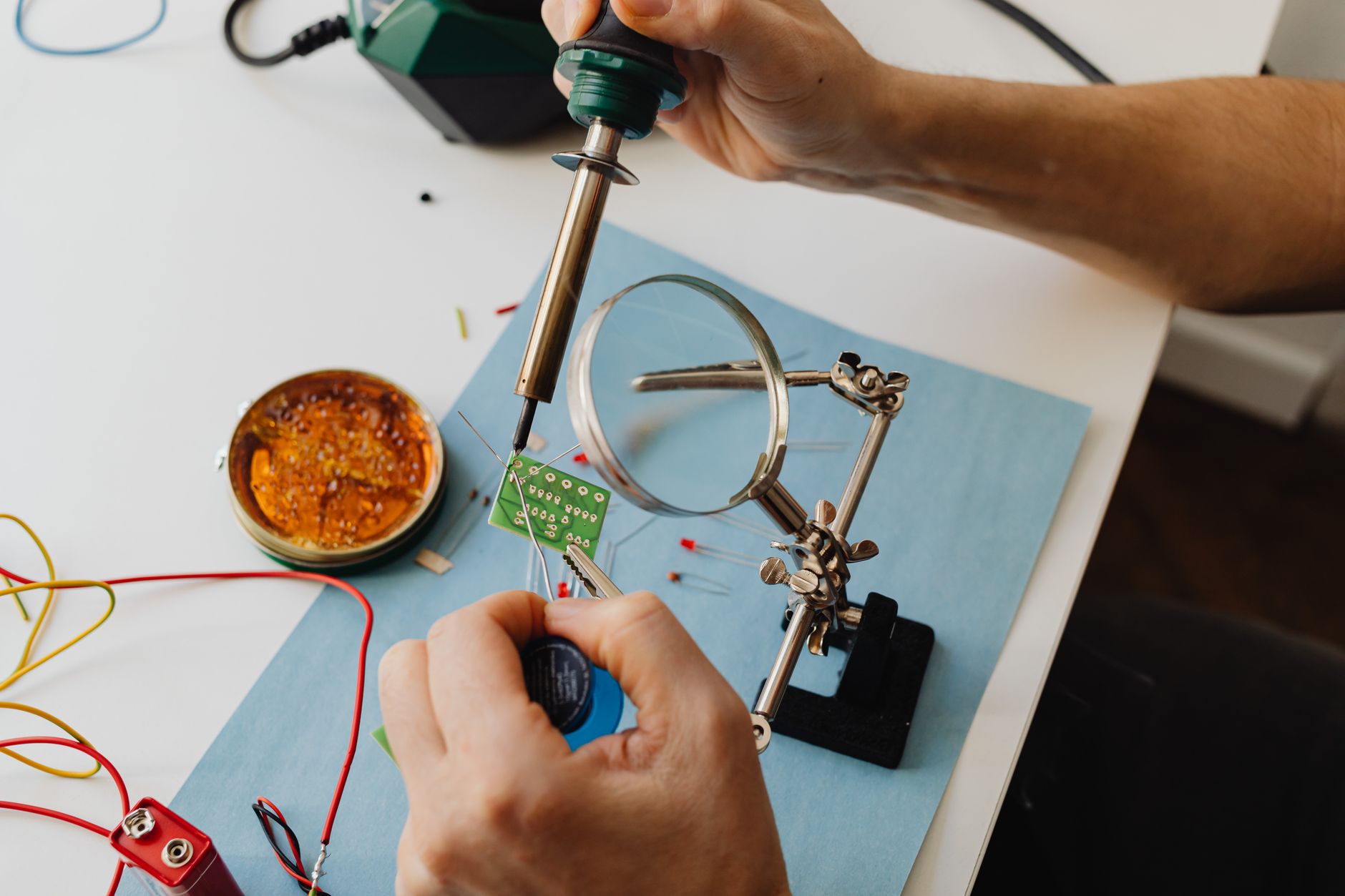
Manufacturing new products requires enormous amounts of energy and raw materials. Mining metals for electronics, producing plastics for housewares, and shipping finished goods around the world all contribute to carbon emissions. When you repair instead of replace, you’re not just preventing waste – you’re avoiding all the environmental costs that go into making something new.
This environmental motivation shows up strongly in repair culture. The rise in people attempting to fix things reflects both practical and ethical drivers, with many repairers citing sustainability as a key factor alongside cost savings.
Next Level: Before buying any replacement part online, check if your local library has a tool lending program or repair cafe. Many libraries now offer free access to specialized tools like multimeters, soldering irons, and precision screwdriver sets, plus volunteer repair coaches who can guide you through common fixes. You’ll save money on tools you might only use once and gain expert knowledge in the process.
The Right to Repair Movement Gains Ground
Manufacturers haven’t always made repair easy. Proprietary screws, glued-together casings, and refusal to sell replacement parts have turned many products into sealed boxes that only authorized technicians can open. But that’s changing as consumers and lawmakers push back.
Right to repair legislation has passed in several regions, requiring manufacturers to make repair manuals, diagnostic tools, and replacement parts available to consumers and independent repair shops. These laws matter because they level the playing field. When only the original manufacturer can fix your device, they control the price and timeline. When independent shops and individuals can access what they need, competition brings costs down and availability up.
The repair community has responded by creating extensive online resources. Video platforms host thousands of detailed repair tutorials for everything from vintage radios to modern appliances. Forums connect people troubleshooting the same problems, sharing solutions and sourcing tips. This collective knowledge makes repair accessible to people who never learned these skills growing up.
Skills and Satisfaction Beyond the Fix
There’s something deeply satisfying about fixing something with your own hands. In an economy where most of us work in abstract ways – moving information, managing processes, providing services – repair offers tangible results. You can see the problem, understand the solution, and hold the working object in your hands afterward. That direct cause and effect feels good.
The skills themselves prove surprisingly transferable. Learning to diagnose why a blender won’t start teaches you about electrical circuits and motors. Fixing a wobbly table leg introduces you to wood joinery and structural stability. Patching jeans properly involves understanding fabric grain and stress points. These aren’t just one-off fixes – they’re foundational knowledge that applies across many situations.
Many people discover they enjoy the puzzle-solving aspect of repair. Figuring out what’s wrong requires observation, logical thinking, and sometimes creative problem-solving when the obvious solution doesn’t work. It exercises different mental muscles than most jobs demand, making it both challenging and refreshing.
Community has emerged as an unexpected benefit. Research into making appliance repair more accessible highlights how repair cafes and community workshops create social connections around shared learning and helping each other succeed with fixes.
Q&A
What items are easiest to start repairing as a beginner?
Clothing repairs like sewing buttons, patching holes, or replacing zippers make excellent starting points because they require minimal tools and the stakes are low. Small appliances like toasters, lamps, and electric kettles often have simple mechanisms with common failure points that are well-documented online. Basic furniture repairs – tightening loose screws, regluing joints, or replacing felt pads – build confidence without requiring specialized knowledge. Start with items where you can easily see the problem and where mistakes won’t create safety hazards or major losses.
How do I know if something is worth repairing versus replacing?
Consider both the repair cost and the item’s remaining useful life. If the repair costs more than half the replacement price and the item is already near the end of its expected lifespan, replacement often makes more sense. But if the item is relatively new, high-quality, or has sentimental value, repair becomes more attractive even at higher costs. Factor in your own time realistically – a repair that takes you four hours of frustration might not save money if you value your time. Safety matters too – never attempt repairs on items where mistakes could cause fires, shocks, or injuries unless you have proper training.
Where can I find repair manuals and instructions for my specific products?
Start with the manufacturer’s website, which often hosts downloadable manuals in their support section. Online repair communities and video platforms contain detailed guides for thousands of products, often created by experienced technicians or other users who’ve tackled the same problem. Search using your exact model number plus the symptom you’re experiencing. Many manufacturers are now required to provide repair documentation publicly, though the quality and completeness vary. Third-party repair manual sites compile instructions across brands and product types, making them valuable research starting points.
What basic tools should I have for common household repairs?
A good toolkit starts with a set of screwdrivers in multiple sizes and types, both flathead and Phillips, plus precision screwdrivers for electronics. Add an adjustable wrench, pliers, and wire cutters for mechanical repairs. A multimeter helps diagnose electrical issues safely. For household items, include a sewing kit with needles, thread, and scissors. A hot glue gun, super glue, and epoxy handle many quick fixes. As you take on more repairs, you’ll identify specialized tools worth adding, but these basics cover a surprising range of common problems without requiring significant investment.
For Conclusion
The shift toward repair represents more than just a cost-saving trend. It reflects changing relationships with the objects in our lives and growing awareness of the real costs of constant consumption. When you repair something successfully, you’re not just saving money or reducing waste – you’re reclaiming a bit of agency in a world that often feels designed to keep you dependent on manufacturers and their authorized service networks.
This doesn’t mean everyone needs to become an expert technician or that every broken item deserves repair. Some things genuinely are too far gone, too dangerous to work on, or too cheap to justify the effort. But the calculation has shifted. More items now fall into the “worth fixing” category because replacement costs have risen, repair resources have improved, and people increasingly value the skills and satisfaction that come from fixing things themselves.
Whether you start with something simple like sewing a button or dive into more complex appliance repair, you’re joining a growing movement of people who’ve decided that broken doesn’t automatically mean garbage. That shift in perspective might turn out to be one of the more practical responses to both economic pressure and environmental concern, one repair at a time.